Disclosure: some links on this page are Amazon affiliate links. If you buy through them, we may earn a small commission at no extra cost to you. Read our affiliate disclosure.
If you have never followed a workout routine, or you are coming back after a long break, home workouts for beginners are the easiest place to start. There is no gym to get to, nobody watching and no equipment you must buy first. What you do need is a plan simple enough that you will actually follow it.
This guide gives you exactly that: a short warm-up, one beginner circuit, a four-week progression and the mistakes that make most new exercisers quit in the first month. Read it once, pick a day, and do the first session this week.
Why home workouts suit beginners
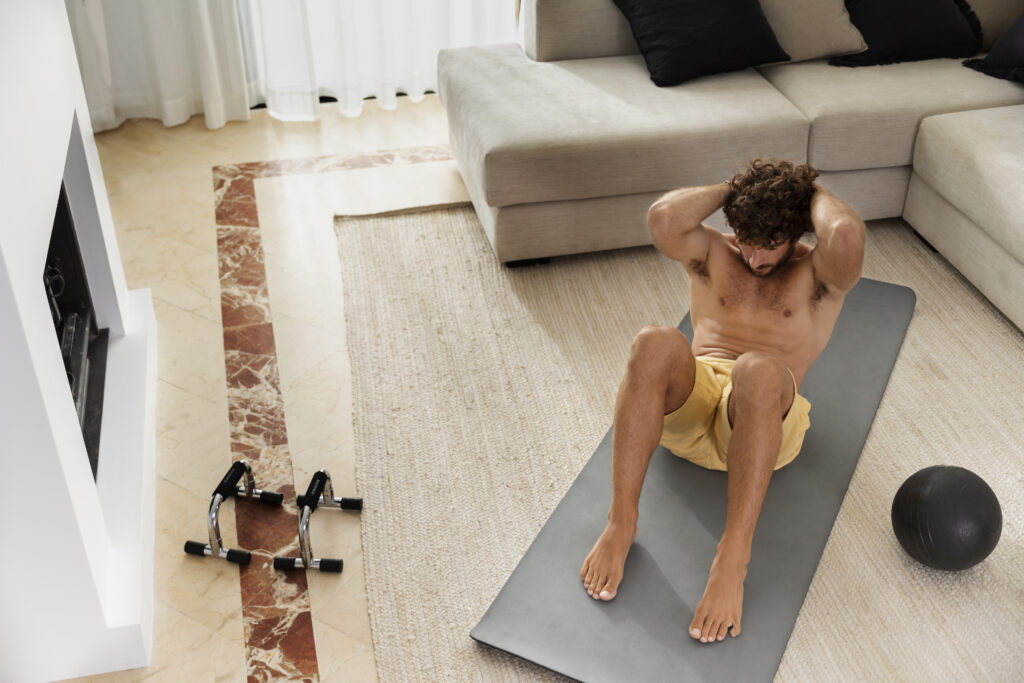
It removes the friction. Most people do not skip workouts because they hate exercise. They skip them because of the drive, the parking, the changing room and the feeling that everyone else knows what they are doing. At home, the only step between you and a workout is clearing a bit of floor.
It costs almost nothing. Bodyweight exercises such as squats, push-ups and bridges train every major muscle group. You can add inexpensive gear later, once the habit is in place.
It fits real life. A focused 25-minute session in your living room beats a one-hour gym session you never get to. Short and repeatable wins.
What you need (and what you can skip)
For the first two weeks you need nothing but a clear patch of floor, comfortable clothes and a sturdy chair or kitchen counter. If you want to make exercises more comfortable, or you are ready to progress, these three items cover almost everything a beginner does:
Exercise mat
Cushions your knees, spine and wrists on hard floors and keeps you from sliding. A basic, non-slip mat is all you need.

- LIGHTWEIGHT & THICK YOGA MAT: These durable, yet lightweight exercise yoga mats are extra-thick for the additional cushi…
- STICKY NON-SLIP TEXTURE: Yoga mat features a textured sticky non-slip surface for excellent traction and superior grip a…
- NON TOXIC & 6P FREE PVC yoga mat is a healthier choice for you and the planet and free of DEHP, DBP, BBP, DINP, DIDP and…
Resistance bands
Light bands add resistance to squats, rows and glute work without taking up space. Start with the lightest ones. We cover them in detail in our resistance bands workout.

- High End Exercise Bands. Our 12″³ By 2″³ Heavy Duty Loop Resistance Bands Come In 5 Varying Resistance Levels. This Make…
- Great With Any Workout. This Resistance Band Set Can Be Integrated Seamlessly With Various Popular Workout Program. Or U…
- Multiple Uses. While These Resistance Bands Are Often Used For Sports And Fitness, Physical Therapists Love These Physic…
Light dumbbells
A pair of light dumbbells is useful from week four, when bodyweight starts to feel easy.

- The information below is per-pack only
- 10 pound individual dumbbell weight for exercise and strength training
- Solid cast iron and rubber encased heads for lasting strength
Three rules before you start
- Check in with your doctor if you have a medical condition, an injury, or you have been inactive for a long time.
- Know the difference between effort and pain. Muscle burn and heavy breathing are normal. Sharp, pinching or joint pain means stop and adjust the exercise.
- Finish with a little in reserve. End each set feeling like you could have done two more reps. You are building a habit first and fitness second.
Your first workout (about 25 minutes)
Warm-up: 5 minutes
- March in place for 60 seconds
- Arm circles, 30 seconds in each direction
- Hip circles, 10 each way
- Slow bodyweight squats to a chair, 10 reps
- Cat-cow on hands and knees, 10 slow reps
The circuit: 2 rounds
Do each exercise in order, then rest for 60 seconds and repeat once. Use the beginner version first and move to the harder version only when the first one feels easy.
| Exercise | Beginner version | Target |
|---|---|---|
| Squat to chair | Sit down and stand up with control | 10–12 reps |
| Incline push-up | Hands on a counter or sturdy table | 6–10 reps |
| Glute bridge | Feet flat, squeeze at the top for 1 second | 12–15 reps |
| Bird dog | Opposite arm and leg, slow and steady | 8 reps per side |
| Knee plank | Straight line from knees to head | 20–30 seconds |
| Standing march | High knees at a comfortable pace | 45 seconds |
Cool-down: 3 to 5 minutes
Walk slowly for a minute, then hold a gentle stretch for your quads, hamstrings, chest and hips for about 20 seconds each. Drink some water.
A simple four-week progression
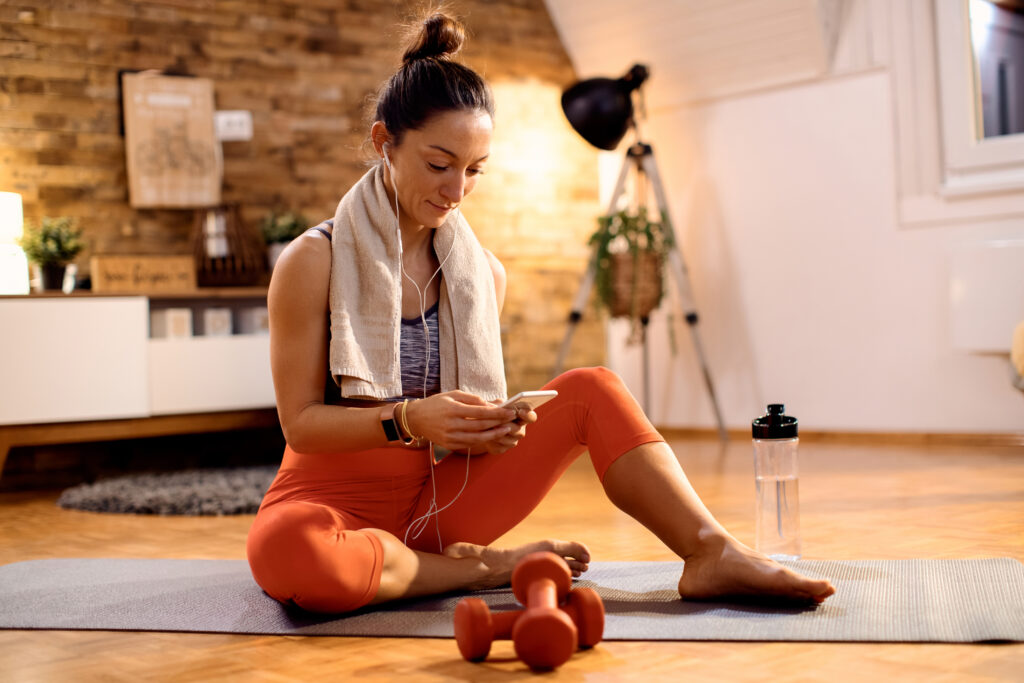
Do the workout three days a week with at least a day of rest in between, for example Monday, Wednesday and Friday. On the other days, a 20 to 30 minute walk is plenty.
| Week | Sessions | Rounds | Focus |
|---|---|---|---|
| 1 | 3 | 2 | Learn the movements and keep every rep controlled |
| 2 | 3 | 3 | Add a third round if round two felt comfortable |
| 3 | 3 + 1 walk | 3 | Slow the lowering phase to 3 seconds; hold planks 5 seconds longer |
| 4 | 3 to 4 | 3 | Switch to harder versions: full push-ups, or add a band or dumbbells |
For context, the Physical Activity Guidelines for Americans recommend that adults aim for at least 150 minutes of moderate activity per week plus muscle-strengthening work on two or more days. This plan builds toward that without overwhelming you.
Five beginner mistakes to avoid
- Doing too much too soon. Three sessions a week beats six for one week and then none.
- Skipping the warm-up. Five minutes lowers the chance of feeling stiff and makes the first set better.
- Chasing soreness. Being sore is not proof of a good workout. Consistent, well-done sessions are.
- Having no schedule. “Sometime this week” rarely happens. Put it in your calendar.
- Comparing yourself to others. Your only benchmark is last week.
How to stay consistent
Decide the days and the time before the week starts. Leave the mat where you can see it. On low-energy days, use the ten-minute rule: promise yourself you will do ten minutes, and stop if you still want to after that. Most of the time you will keep going, and even when you do not, you kept the habit alive.
Food matters too. If you are working toward weight loss, a prep routine like the one in our meal prep ideas makes the week easier, and our healthy snacks for weight loss list helps when hunger hits between meals.
How to track your progress
Progress is more than the scale. Use a notebook or a notes app to record these every week:
- Number of workouts completed
- Reps you can do for squats, push-ups and planks
- How you feel after a workout (energy, mood, sleep)
- How your clothes fit
- Optional: photos or measurements every four weeks
Muscle soreness and recovery
Feeling sore one or two days after a new workout is common. Light movement, enough sleep and water help. If soreness is severe, lasts more than a few days or you feel sharp pain, rest and speak with a professional.
| Sign | Normal? | What to do |
|---|---|---|
| Mild muscle soreness for 1–2 days | Yes | Move gently, stretch and sleep |
| Heavy breathing and sweating | Yes | Slow down briefly between sets |
| Sharp or pinching joint pain | No | Stop and adjust or skip the exercise |
| Dizziness or chest pain | No | Stop and seek medical advice |
Eating to support your new routine
You do not need a perfect diet to start. Aim for a source of protein at each meal, plenty of vegetables and enough water. Our guides to meal prep, healthy snacks and daily protein make it simpler.
What to do after your first month
- Move to the 7-day home workout plan.
- Add resistance with bands or adjustable dumbbells.
- Try short jump rope intervals for cardio.
- Set a new three-month goal, such as 20 push-ups or a 30-minute walk every day.
Frequently asked questions
How many days a week should a beginner work out at home?
Three non-consecutive days is a solid starting point, with walking or light movement on other days. Add a fourth session only when the first three feel manageable.
Can I lose weight with home workouts?
Exercise supports weight loss, but body weight is mostly driven by what you eat over time. Pair your workouts with sensible eating habits and be patient. Slow and steady changes are easier to keep.
Do I need weights to get stronger?
Not at first. Bodyweight exercises are challenging enough for beginners. When they become easy, add bands or dumbbells, or switch to harder variations.
How long until I see results?
Many people feel more energetic and find everyday movement easier within a few weeks. Visible changes take longer and vary from person to person, so measure progress by how you feel and how your reps improve.
Keep going
- Home workout plan: a 7-day weekly routine
- Home workout without equipment
- Full body home workout: 20 minutes
- Resistance bands workout
- Best yoga mat
- Best running shoes for beginners
- Best home gym equipment for small spaces
This article is for general information and is not medical advice. Check with a doctor before starting a new exercise program, especially if you have a health condition, an injury or are pregnant.