Disclosure: some links on this page are Amazon affiliate links. If you buy through them, we may earn a small commission at no extra cost to you. Read our affiliate disclosure.
How we choose: we compare features, ratings and review volume on Amazon, and favor products that are widely available at the time of writing. We do not claim to have tested every product listed. Last updated: October 2026.
The best meal prep plan in the world falls apart if your food leaks, goes soggy or will not fit in the fridge. The right meal prep containers make healthy eating easier by keeping food fresh, portioned and ready to grab. Here is how to choose between glass and plastic, how many you need and what to look for in a lid.
Glass vs plastic
| Glass | Plastic | |
|---|---|---|
| Durability | Lasts years; does not stain or hold odors | Can stain, warp or scratch over time |
| Weight | Heavy to carry | Light and easy to pack |
| Microwave and oven | Often microwave and oven safe (check lid) | Microwave safe with limits; not for ovens |
| Price | More expensive up front | Cheaper |
| Breakage | Can break if dropped | Rarely breaks |
If you reheat food at work, plastic is lighter. If you cook and store at home, glass usually lasts longer. Many people use both.
What to look for
- Airtight, leak-proof lids. Look for locking clips or silicone seals, especially for sauces and soups.
- Compartments. Two or three sections keep proteins, carbs and vegetables separate.
- Size. 24 to 36 ounces suits most lunches. Larger sizes work for dinners.
- Stackable shape. Square or rectangular containers stack neatly in the fridge.
- Freezer-safe. Check labels if you plan to freeze portions.
- Dishwasher-safe. Saves time on busy weeks.
Meal prep container options to compare
We have not tested these, so use them as a shortlist and read recent reviews.
Glass meal prep containers with locking lids
A durable option that handles fridge, microwave and oven. A good set for a week of lunches.

- BOROSILICATE GLASS MEAL PREP CONTAINERS – PrepNaturals glass meal prep containers make cooking at home easier, saving bo…
- IDEAL FOR ON-THE-GO-MEALS – These glass lunch containers with lids are perfect for packing home-cooked meals for work, t…
- DURABLE AND SAFE – Made from borosilicate glass, these BPA-free food storage containers with lids are both oven-safe and…
Plastic meal prep containers with compartments
Lightweight and affordable. Good for portion control and packing lunches.

- STAINSHIELD PLASTIC: Rubbermaid Brilliance meal prep containers are designed with premium StainShield plastic, and have …
- 100% LEAKPROOF AND AIRTIGHT: Guaranteed not to leak, these airtight food storage containers feature a leakproof seal and…
- TWO COMPARTMENTS FOR EASY MEAL PREP: Rubbermaid Brilliance meal prep containers feature 2 compartments that make preppin…
Mason jar salad containers
Layer dressing at the bottom and greens on top to keep salads crisp for days.

- High-Grade Glass: Made with premium BPA-free and lead-free food-grade glass, ensures long-lasting durability and offers …
- Unbeatable Airtight Sealing: The specially designed lid ensures an airtight seal, keeping contents fresh for longer and …
- Stackable Design: The unique recessed top allows for easy stacking, optimizing storage space without risking stability. …
Bento-style lunch boxes
Compact boxes with several compartments, good for adults who want variety in a small package.

- All-in-One Convenience: Forget packing multiple containers or searching for utensils! This bento box includes a built-in…
- Premium, Stylish Design: Crafted from high-quality, food-safe materials, this sleek, minimalist lunch box is available i…
- Compact & Space-Saving Storage: The top container nests inside the bottom for easy, efficient storage, making it perfect…
How many containers do you need?
For five lunches and five dinners, you need about ten containers, plus a few smaller ones for snacks and sauces. If you prep twice a week, you can get by with fewer. Buy a few more than you think you need so you always have clean ones.
Tips for fresher food
- Let food cool before sealing to avoid condensation.
- Store sauces and dressings separately.
- Line containers with a paper towel for greens.
- Label containers with the date.
- Eat refrigerated meals within three to four days, and freeze the rest.
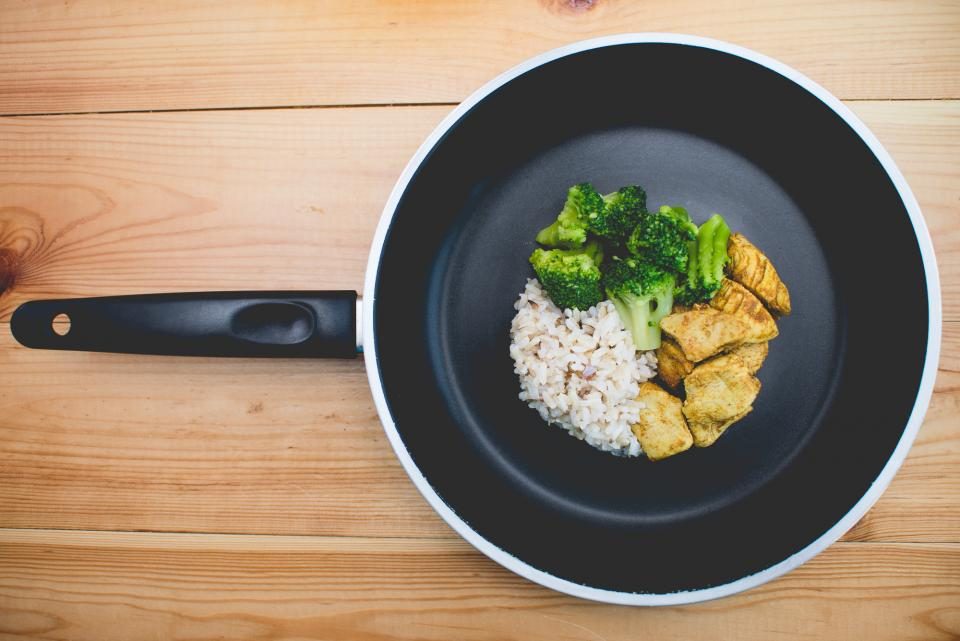
Need ideas to fill them? See our 15 healthy meal prep ideas and the best healthy snacks for weight loss.
Meal prep container sizes: what fits what
| Size | Good for | Example |
|---|---|---|
| 16–20 oz | Snacks and sides | Fruit, nuts, dressings |
| 24–28 oz | Lunch bowls | Salads and grain bowls |
| 32–36 oz | Main meals | Chicken, rice and vegetables |
| Compartment trays | Balanced portions | Protein, carb and veggie sections |
A simple prep day routine
- Choose two proteins, two grains and three vegetables.
- Start the grains and roast the vegetables.
- Cook the proteins while the oven is hot.
- Let everything cool, then portion into containers.
- Label with the date and refrigerate or freeze.
For recipes, see our 15 healthy meal prep ideas.
Care and cleaning
- Remove the silicone seal from lids and wash it separately.
- Rinse tomato sauces and curry quickly to avoid stains.
- Do not move hot glass directly into a cold fridge or onto a cold counter.
- Replace lids and containers that crack or warp.
Frequently asked questions
Can I microwave glass containers with the lid on?
Often the glass is microwave safe but the lid is not, or needs to be vented. Check the instructions for your set.
How do I remove stains from plastic containers?
Wash with warm soapy water, then soak in baking soda and water. Sunlight can also help fade stains.
Are glass containers safer than plastic?
Glass does not leach and is inert. Look for BPA-free plastic if you choose plastic, and avoid heating food in damaged containers.
Prices, availability and product details change often. Always check the current listing on Amazon before you buy.
Keep going
- Meal prep ideas: 15 healthy recipes
- Healthy snacks for weight loss
- Best air fryer for healthy cooking
- How much protein per day
This article is for general information and is not medical advice. If you have a medical condition, take medication or are pregnant, talk to a doctor or registered dietitian before changing your diet or taking supplements.