Disclosure: some links on this page are Amazon affiliate links. If you buy through them, we may earn a small commission at no extra cost to you. Read our affiliate disclosure.
How we choose: we compare features, ratings and review volume on Amazon, and favor products that are widely available at the time of writing. We do not claim to have tested every product listed. Last updated: October 2026.
If you are starting to run, your shoes matter more than your watch or your outfit. A well-fitting pair can make running comfortable, while a poor pair can lead to blisters and sore knees. This guide explains how to choose running shoes for beginners, how to get the right size and what to ignore in the marketing.
What matters most: fit and comfort
There is no single best running shoe. The best shoe for you is the one that fits your foot, feels comfortable from the first step and suits where you run. Try shoes on later in the day, when your feet are slightly swollen, and wear the socks you plan to run in.
How a running shoe should fit
- About a thumb’s width of space between your longest toe and the end of the shoe.
- Snug in the heel with no slipping.
- Roomy in the toe box so your toes can spread.
- No pressure points or pinching on the top of the foot.
Types of running shoes
| Type | Best for | Notes |
|---|---|---|
| Neutral cushioned | Most beginners with a normal gait | A good default for road running |
| Stability | Runners whose feet roll inward | Added support; not required for everyone |
| Trail | Dirt and uneven surfaces | Stronger grip and protection |
| Lightweight or racing | Faster runs and races | Less cushioning; usually not for beginners |

Running shoe options to compare
These are well-known models and brands to try on or read about. We have not tested them, and fit is very personal.
Brooks Ghost and similar neutral trainers
A popular, comfortable all-round neutral shoe that many beginners start with.

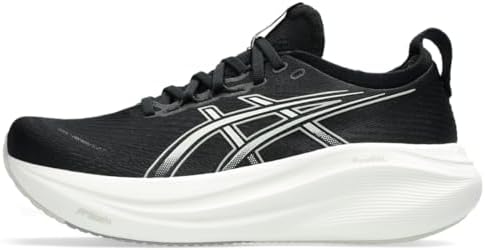
ASICS Gel-Cumulus and Gel-Nimbus
Well-cushioned shoes often recommended to new runners.
Hoka Clifton-style cushioned shoes
Highly cushioned shoes that suit people who prefer a soft ride.

Budget running shoes
If you are testing running, an affordable pair from a reputable brand can be enough to start.

Tips for buying
- Go to a store for a first fitting if you can, then shop online for the same model.
- Buy for comfort now. Do not rely on a break-in period.
- Rotate pairs if you run often.
- Replace shoes after roughly 300 to 500 miles, or sooner if they feel flat.
- Do not run in old, worn shoes.
How to start running
Start with walk-run intervals, such as one minute of running and two minutes of walking, three times a week. Build gradually. Strength work like our full body home workout helps your legs and core handle the load.
Frequently asked questions
Do I need running shoes for the treadmill?
Yes. They provide cushioning and support that everyday shoes do not.
Are expensive running shoes better?
Not always. Fit matters more than price. Mid-priced shoes from reputable brands are often enough.
How do I know if my shoes are worn out?
Look for flattened cushioning, uneven tread wear or new aches in your legs. Many runners replace shoes every 300 to 500 miles.
Prices, availability and product details change often. Always check the current listing on Amazon before you buy.
Keep going
This article is for general information and is not medical advice. Check with a doctor before starting a new exercise program, especially if you have a health condition, an injury or are pregnant.